
Simple Lemon Caper Sauce

A bright, tangy lemon caper sauce that elevates fish, chicken, pasta, and vegetables in minutes. Fresh, zesty, and buttery with a briny pop from capers.
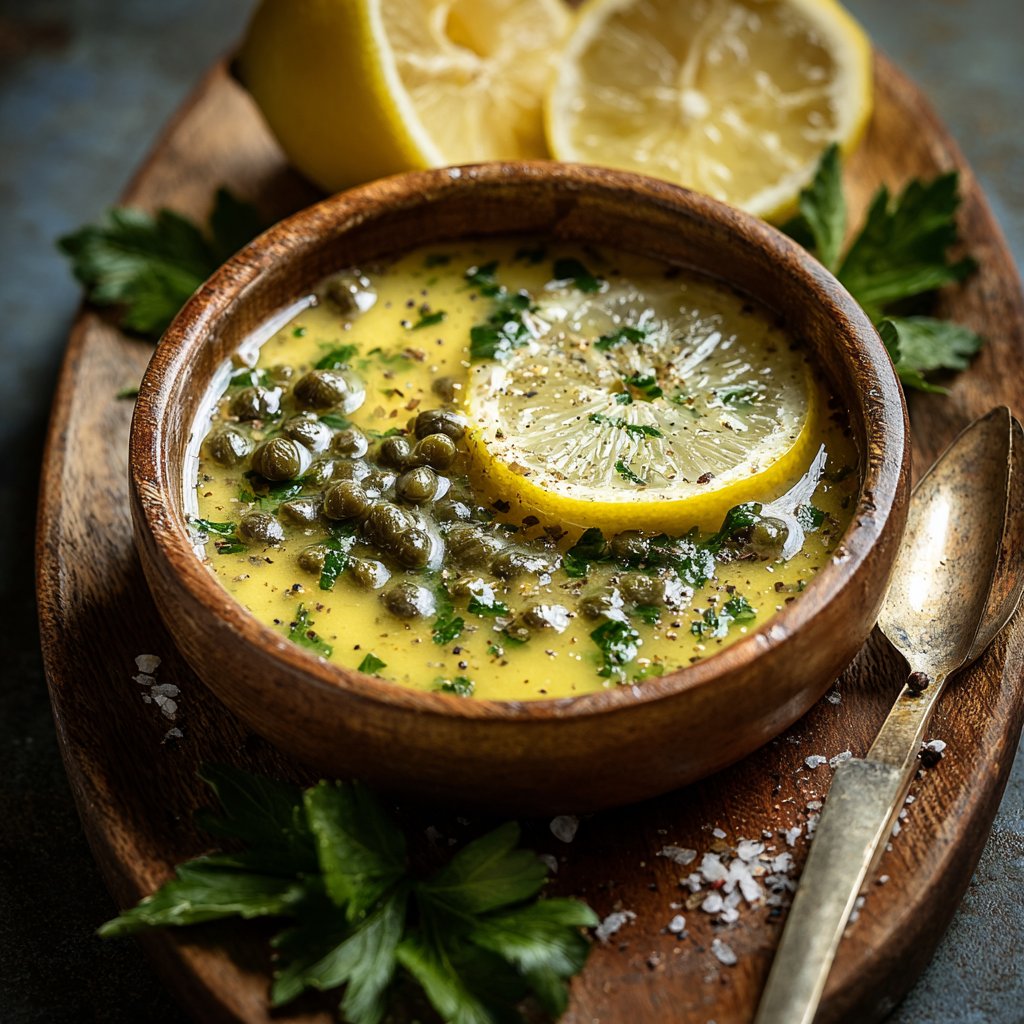
This simple lemon caper sauce has been my weeknight hero for years, the kind of quick finish that turns ordinary protein into something memorable. I first landed on this combination the spring after I moved into my first kitchen and needed a fast, flavorful topper for a pan seared fillet. The first time I drizzled it over a modest piece of fish, my partner took one bite and asked me to double the batch. Since then it has been my go to for last minute dinner guests, leftover roasted vegetables, and even spooned over warm pasta when I want something bright without fuss.
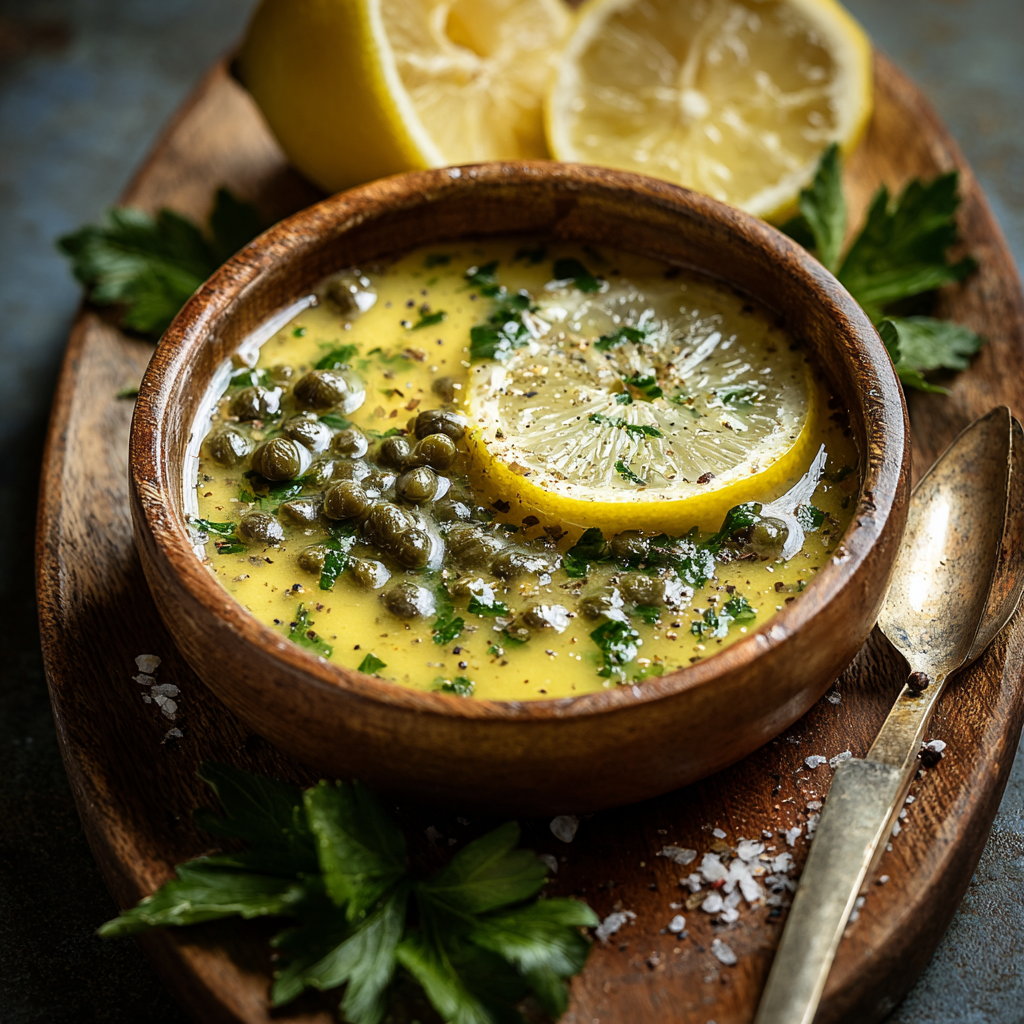
What makes the sauce special is the balance of bright lemon juice, a little richness from butter and olive oil, and the briny tang from capers. There is a satisfying contrast in texture when the capers stay whole and the sauce is spooned hot over something soft. The garlic and shallot are softened but not browned, which keeps the sauce fresh tasting. I love how a few tablespoons of this sauce can lift a simple meal and make it feel celebratory without extra time or complicated steps.
Why You'll Love This Sauce
- Ready in about 15 minutes, this finish adds restaurant level flavor with pantry friendly staples and no complicated technique.
- The bright lemon cuts through oily fish and richer proteins, while capers add a briny contrast that keeps each bite lively.
- Flexible and forgiving, it adapts to what you have on hand, working equally well with white wine or a splash of chicken broth.
- Make ahead options include preparing the base and finishing with butter just before serving for peak freshness.
- Diet friendly when adjusted, naturally low in carbohydrates and easy to make gluten free, with a dairy free option.
I serve this for both casual family dinners and small gatherings. Guests often ask how it tastes so bright and layered despite the short hands on time. Over the years I have learned small details that matter, such as using fresh lemon juice rather than bottled and briefly warming the capers to release their aroma. Those tiny adjustments are what turn a simple sauce into a memorable one.
Ingredients
- Unsalted butter: 2 tablespoons, cut into pieces, added at the end to give the sauce a silky sheen. Choose a high quality European style butter if you like a creamier mouthfeel.
- Extra virgin olive oil: 1 tablespoon, used at the start to gently sweat aromatics and carry flavor. A fruity brand like California extra virgin works well.
- Garlic: 1 clove, finely minced to disperse aroma without overpowering. Fresh garlic provides the clearest flavor note.
- Shallot: 1 small, finely chopped, offers a milder sweet allium flavor than raw onion and softens quickly in the pan.
- Dry white wine or low sodium chicken broth: 1/4 cup, used to deglaze and build depth. Use wine for brightness or broth if you prefer alcohol free.
- Fresh lemon juice: 3 tablespoons, about 1 medium lemon, for the vivid citrus lift. Always use freshly squeezed juice for best flavor.
- Lemon zest: 1 teaspoon, finely grated, to boost aromatic lemon oils without extra acidity.
- Capers: 2 tablespoons, drained and patted dry, offer the essential briny pop. Rinse once if the jar brine is very salty.
- Fresh parsley: 2 tablespoons chopped, for color and herbal brightness. Flat leaf parsley prefers well here.
- Salt and freshly ground black pepper: To taste, added carefully because capers carry salt already.
Instructions
Prepare aromatics: Heat a medium nonstick skillet over medium heat and add 1 tablespoon olive oil. When the oil shimmers, add the finely chopped shallot and cook for 1 to 2 minutes until softened and translucent. Add the minced garlic and cook 20 to 30 seconds until fragrant but not browned. The goal is to soften without developing a toasted flavor. Deglaze the pan: Pour in 1/4 cup dry white wine or low sodium chicken broth and increase heat to medium high. Use a wooden spoon to scrape any fond from the bottom of the pan. Let the liquid reduce by about half, roughly 1 to 2 minutes, which concentrates flavor and removes raw alcohol scent if using wine. Add lemon and capers: Stir in 3 tablespoons fresh lemon juice and 1 teaspoon lemon zest. Add 2 tablespoons drained capers and simmer gently for 30 to 60 seconds so the capers warm through and release flavor. Taste at this point to judge salt level since capers will add salinity. Finish with butter and herbs: Reduce heat to low and whisk in 2 tablespoons cold unsalted butter a piece at a time until the sauce is glossy and slightly thickened. Off the heat, stir in 2 tablespoons chopped fresh parsley and season with black pepper and, if needed, a pinch of salt. Serve immediately spooned over fish, chicken, pasta, or vegetables.
You Must Know
- Keep salt light until the end because capers carry most of the brine. Taste before adding additional salt.
- This sauce freezes poorly due to the butter, but the base without butter can be made ahead and finished with butter just before serving.
- High in vitamin C from lemon and low in carbohydrates, this is a light finishing sauce that pairs well with many proteins.
- Use room temperature butter for easier emulsification, which helps the sauce become glossy and cohesive.
My favorite thing about this sauce is how quickly it transports a meal. A simple pan seared fish becomes dinner party worthy when bright lemon and caper flavors are spooned on top. Family members who shy away from new flavors tend to love this one because it is lively but familiar.
Storage Tips
Store leftover sauce in an airtight container in the refrigerator for up to 3 days. For best texture, leave a note to reheat gently over low heat, whisking in a few drops of water if the emulsion tightens while cooling. Avoid freezing once butter has been emulsified because it will separate on thawing. If you plan to save time, make the base to the point before adding butter and refrigerate up to 48 hours. Add cold butter at serving to re emulsify and refresh the sauce.
Ingredient Substitutions
If you do not have capers, substitute 1 teaspoon of drained chopped green olives for a milder briny note though flavor will be less tangy. For a dairy free version replace butter with 1 tablespoon extra olive oil added at the end and whisked in slowly to create a loose sheen. If white wine is not available use low sodium chicken or vegetable broth for body. For a creamier finish stir in 2 tablespoons heavy cream at the very end and warm through without boiling.
Serving Suggestions
This sauce is classic with pan seared or oven baked fish such as cod, halibut, or trout. It also lifts roast chicken breasts and pairs beautifully with simple buttered pasta or roasted asparagus. Garnish with extra lemon zest and chopped parsley for color. For a light dinner, serve with steamed new potatoes or a simple grain like quinoa. For a more indulgent plate, spoon generously over a crispy skin chicken and serve with sautéed green beans.
Cultural Background
The lemon caper combination has roots in Mediterranean cooking where bright citrus and preserved ingredients like capers play central roles. Variations appear across coastal Italy and southern France, where cooks commonly use lemon to brighten seafood and capers to provide a salty, floral contrast. This finish reflects a coastal approach to flavor that prizes freshness, simple aromatics, and minimal cooking time to preserve natural textures.
Seasonal Adaptations
In spring and summer double the parsley and add a handful of chopped basil for an herbal lift. In colder months replace fresh parsley with a teaspoon of drained preserved lemon rind for a deeper citrus note. During lemon season use Meyer lemons for a softer, floral citrus flavor and reduce zest accordingly. For holiday dinners add a splash of dry vermouth instead of wine to deepen the aromatic profile.
Meal Prep Tips
Make the aromatic base ahead by sautéing shallot and garlic and cooling it before refrigerating up to 48 hours. Keep the capers separate in a small jar and add them when finishing the sauce so they remain distinct. If preparing for packed lunches, store sauce and protein in separate compartments and finish by reheating gently and spooning the sauce over the protein to preserve texture. Use shallow containers for quick cooling.
This simple lemon caper sauce is one of those small techniques that yields big returns. It rewards attention to timing and fresh ingredients and has become a reliable trick in my repertoire when I want to create something that tastes both elevated and effortless. Try it this week and make it your own by adjusting brightness and brine to match your pantry and palate.
Pro Tips
Always use freshly squeezed lemon juice for the brightest flavor and avoid bottled lemon juice.
Add butter off the heat and whisk slowly to create a glossy emulsion that clings to food.
Rinse very salty capers briefly under running water and pat dry to control salt in the finished sauce.
If using wine, allow it to reduce by half to remove raw alcohol notes and concentrate flavor.
This nourishing simple lemon caper sauce recipe is sure to be a staple in your kitchen. Enjoy every moist, high protein slice — it is perfect for breakfast or as a wholesome snack any time.
FAQs about Recipes
Can I prepare this ahead of time?
Yes. Make the base without butter up to 48 hours ahead and add cold butter at serving to refresh the emulsion.
My capapers taste very salty, what should I do?
Rinse capers briefly under cold water if they seem excessively salty, then pat dry before adding to the sauce.
Tags
Simple Lemon Caper Sauce
This Simple Lemon Caper Sauce recipe makes perfectly juicy, tender, and flavorful steak every time! Serve with potatoes and a side salad for an unforgettable dinner in under 30 minutes.
Ingredients
Sauce
Instructions
Prepare aromatics
Heat 1 tablespoon olive oil in a medium skillet over medium heat. Add the chopped shallot and cook 1 to 2 minutes until translucent. Add minced garlic and cook 20 to 30 seconds until fragrant, taking care not to brown the garlic.
Deglaze the pan
Pour in 1/4 cup dry white wine or low sodium chicken broth and increase heat to medium high. Scrape the pan with a wooden spoon and let the liquid reduce by half, about 1 to 2 minutes.
Add lemon and capers
Stir in 3 tablespoons fresh lemon juice and 1 teaspoon lemon zest. Add 2 tablespoons drained capers and simmer gently for 30 to 60 seconds to warm through and release flavor.
Finish with butter and herbs
Reduce heat to low and whisk in 2 tablespoons cold unsalted butter a piece at a time until glossy. Remove from heat and stir in 2 tablespoons chopped parsley. Season with black pepper and salt only if needed.
Last Step: Please leave a rating and comment letting us know how you liked this recipe! This helps our business to thrive and continue providing free, high-quality recipes for you.
Nutrition
Did You Make This?
Leave a comment & rating below or tag
@magicmealideas on social media!
Categories:
You might also like...

Air-Fried Pizza Rolls
Crispy on the outside, gooey on the inside: easy air-fried pizza rolls made with pizza dough, mozzarella, pepperoni, and a quick Italian seasoning — perfect for snacking or feeding a crowd.

Air-Fried Rice Paper Noodle Rolls
Crispy, light rice paper rolls filled with vermicelli, vegetables and tofu or shrimp, air-fried to golden perfection for a healthy snack or shareable appetizer.

Air Fryer Apple Fries
Crispy, cinnamon-sugar coated apple sticks made in the air fryer — a quick, family-friendly treat that tastes like baked apple pie in every bite.
Did You Make This?
Leave a comment & rating below or tag @magicmealideas on social media!
Rate This Recipe
Share This Recipe
Enjoyed this recipe? Share it with friends and family, and don't forget to leave a review!
Comments (1)
This recipe looks amazing! Can't wait to try it.
Comments are stored locally in your browser. Server comments are displayed alongside your local comments.
Hi, I'm Chef!
What's Popular

30-Minute Meals!
Join to receive our email series which contains a round-up of some of our quick and easy family favorite recipes.